
How to choose suitable a milling machine
author: Holly
2024-12-11
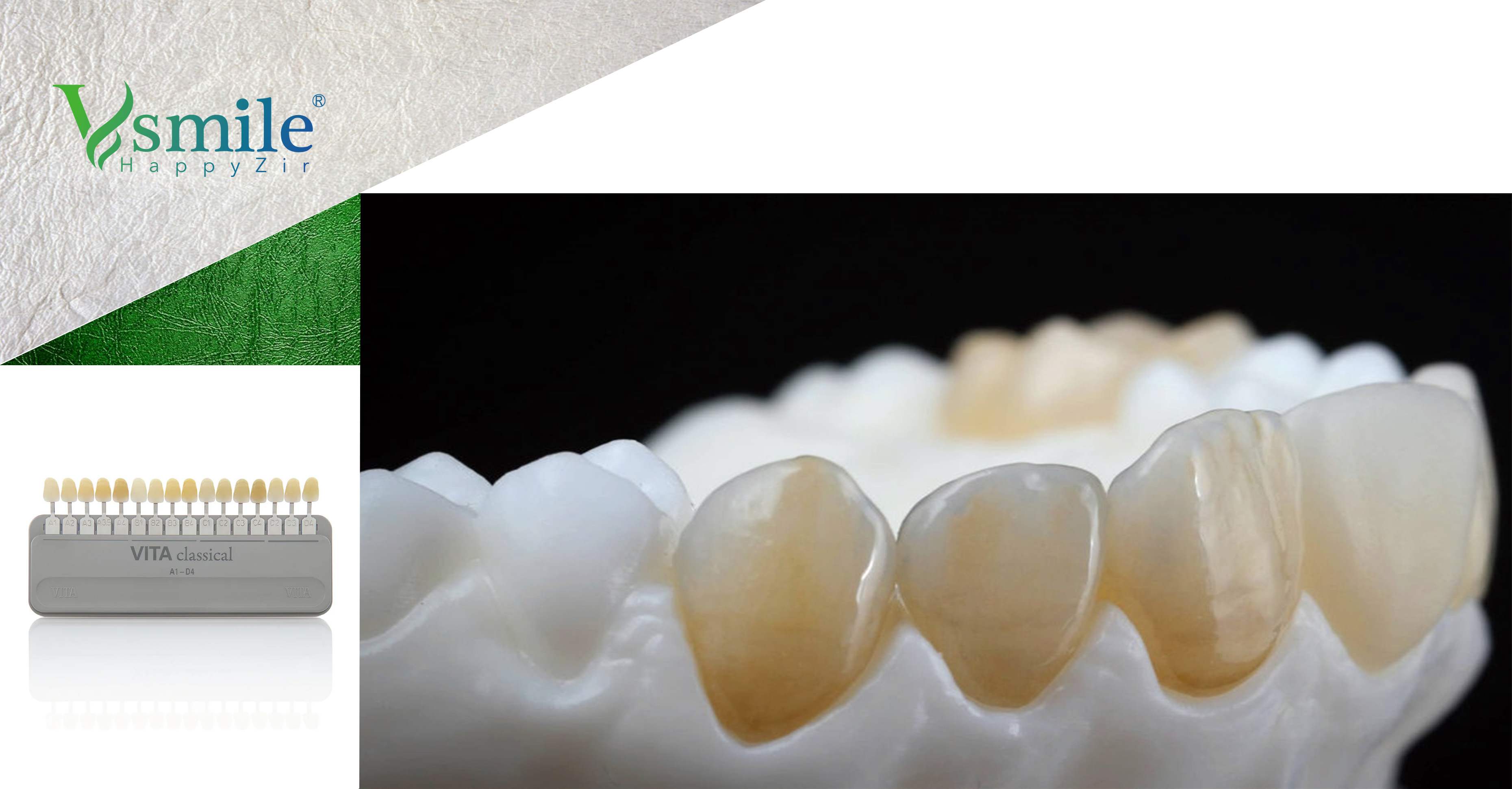
In the process of modernization of dental laboratories, how to choose the right milling machine equipment to improve work efficiency? How to judge product quality? With the advancement of technology, there are many types of milling machines on the market. You can understand some basic methods to help you choose. These key factors help you make a wise choice when purchasing.

Core Components: Spindle
The spindle is the core component of the milling machine. It consists of a motor and a chuck, and is responsible for rotating the cutting tool. The milling program generated by the CAM software will guide the spindle speed, which will be adjusted according to the type, size, material type and cutting amount of the tool. Therefore, the performance of the spindle directly affects the tool life, cutting speed and processing quality. When purchasing, you should pay attention to the spindle speed range and accuracy to ensure that it can meet the needs of different materials and processes.
The spindle is the core component of the milling machine. It consists of a motor and a chuck, and is responsible for rotating the cutting tool. The milling program generated by the CAM software will guide the spindle speed, which will be adjusted according to the type, size, material type and cutting amount of the tool. Therefore, the performance of the spindle directly affects the tool life, cutting speed and processing quality. When purchasing, you should pay attention to the spindle speed range and accuracy to ensure that it can meet the needs of different materials and processes.
Wet milling vs. dry milling
The type of material being milled usually determines whether wet or dry milling is used. Wet milling is suitable for some ceramic materials and metals, such as lithium disilicate, feldspar porcelain and titanium, which require liquid for cooling and lubrication. Zirconia is more suitable for dry. Wet milling uses liquid to cool the tool and material and help remove material, but the cutting fluid needs to be cleaned and replaced regularly. Dry milling uses pressurized air or vacuum to remove waste, which produces more dust and debris, and the vacuum size and noise issues need to be considered.
Choosing the right milling machine is essential to improving production efficiency and ensuring product quality. Understanding spindle performance, choosing the right milling method, considering maintenance needs and cost-effectiveness are all key factors in making an informed purchasing decision. Through careful evaluation and comparison, you can choose the most suitable milling machine for your laboratory and stay ahead in the competitive market.
Vsmile at LAB DAY Chicago 2025
Limited-Time Gift: KZ26A Polishing Set!
Related Article


