Unpacking the Biocompatibility & Modulus of CAD/CAM PMMA
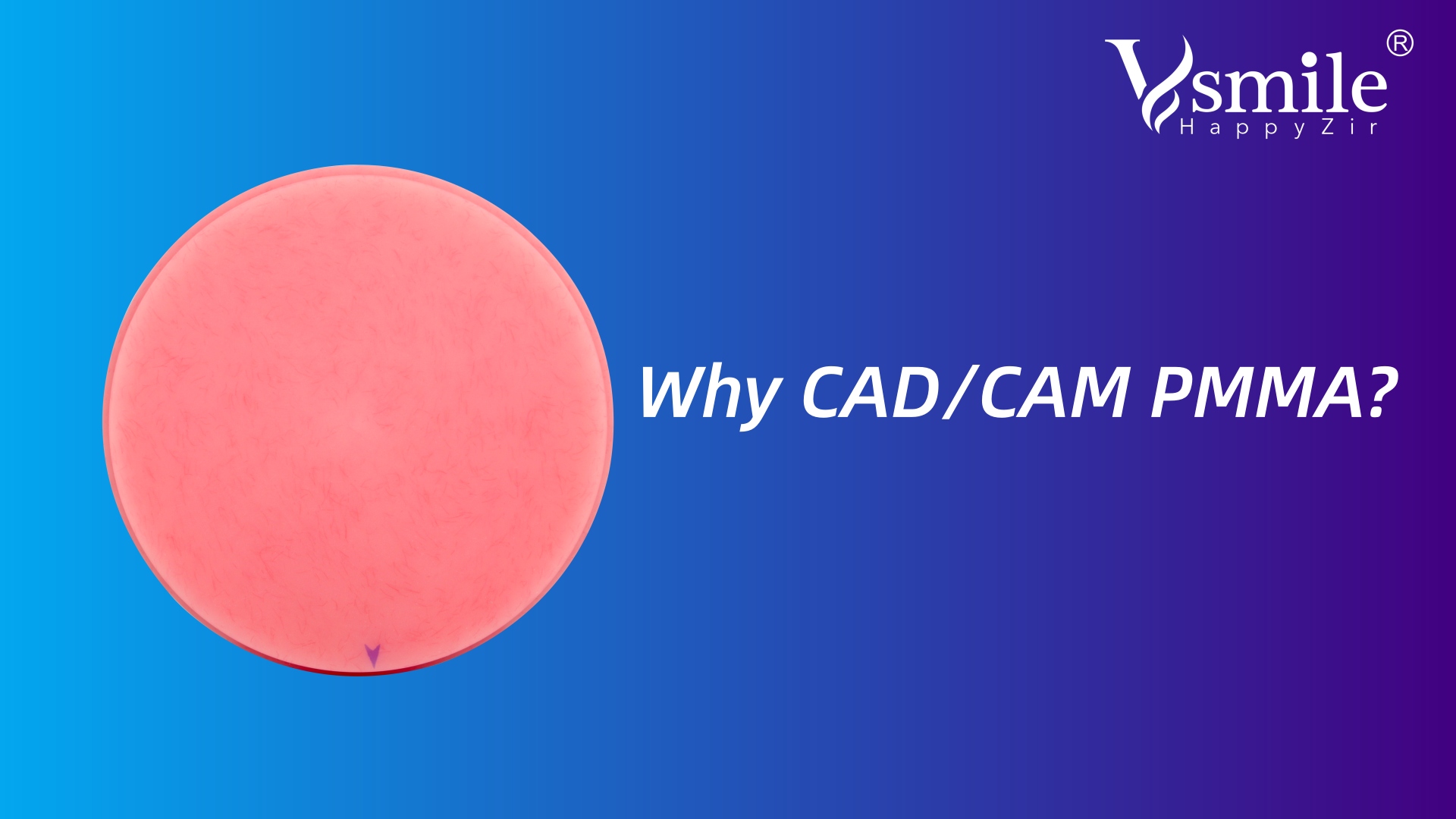
Beyond Flexural Strength: Why CAD/CAM PMMA Wins on Patient Comfort and Durability
We’ve all been trained to focus on "strength"—and for good reason. But true success in dental restorations, especially with appliances like dentures and long-term provisionals, is a holistic measure. It's not just about how hard you can hit it; it's about how the material behaves in the mouth over time. Will it bend too much? Will it irritate the tissue? Will it yellow quickly?
That's the conversation we need to have about CAD/CAM PMMA. The same study that proved its superior flexural strength also shed light on other critical properties that directly affect patient comfort and the appliance's longevity, particularly its flexural modulus and resistance to water sorption. Let’s look past the sheer power and understand the subtle clinical advantages of this material.
Understanding Flexural Modulus: The Hidden Hero of Fit
Flexural strength tells us when a material will break. Flexural modulus tells us how much a material will bend before it breaks. Think of it as stiffness or rigidity.
-
High Modulus: The material resists bending and maintains its shape under force.
-
Low Modulus: The material is more flexible, which can compromise the fit under chewing forces.
The Study's Finding: Interestingly, the Custom-block (made with self-polymerized resin) showed a significantly higher flexural modulus than the traditional or the CAD/CAM disc. Wait—doesn’t stiffer mean better? Not necessarily for all applications!
Why it matters: While stiffness sounds good, an overly rigid material, like the Custom-block, may be too brittle or unforgiving, leading to stress concentration in localized areas. CAD/CAM PMMA strikes a perfect balance: it’s strong (high flexural strength) but has a slightly lower, more forgiving modulus, allowing it to better absorb and dissipate energy across the appliance without immediate failure.
Water Sorption and Discoloration: The Aesthetic Killer
One of the most common patient complaints about older acrylic appliances is that they start to look dull, yellow, and absorb odors over time. This is directly related to water sorption and discoloration.
The Hard Truth: The study showed that the Custom-block and the heat-polymerized PMMA had significantly higher water sorption and discoloration compared to the CAD/CAM PMMA disc.
Why does this happen? The traditional methods leave microscopic spaces and unreacted chemicals that eagerly soak up pigments (coffee, wine) and moisture.
The Solution: Vsmile's industrial CAD/CAM PMMA blocks are molded under high pressure, resulting in a dense, highly cross-linked structure.
-
Less Sorption: The material simply has fewer voids to absorb water, maintaining its hygiene and fit.
-
Better Aesthetics: Less porosity means less pigment uptake, keeping your carefully designed restoration looking great for the entire provisional or denture lifecycle.
This longevity in aesthetics and fit is a powerful patient satisfier.
The Biocompatibility Edge of Milled PMMA
While the study focused on physical properties, better polymerization is intrinsically linked to better patient health. Traditional acrylics often contain residual monomer—unreacted chemicals that can irritate the oral mucosa.
The Practical Advantage: Because industrial CAD/CAM PMMA processing ensures a higher degree of polymerization than lab-cured methods, the residual monomer is minimized.
-
Reduced Irritation: This creates a more inert and biocompatible appliance, reducing the risk of allergic or inflammatory reactions in sensitive patients.
When you use a high-quality, fully polymerized CAD/CAM PMMA block, you're not just creating a stronger appliance; you're creating a safer, more comfortable one.
Choose Predictable Quality and Comfort
The science is definitive: for the ideal blend of high strength, reliable dimensional stability, and superior aesthetic longevity (less discoloration and water sorption), CAD/CAM PMMA is the optimal choice. It’s the material that works with the oral environment, not against it.
Ready to provide appliances that feel as good as they look? What property do your patients complain about most often?
Build an In-House Dental Lab for Efficiency & Profit
Understanding Silicon Carbide Heating Rods in Dental Sintering Furnaces
Related Article