How Dental Labs Can Reduce Zirconia Sintering Turnaround Time
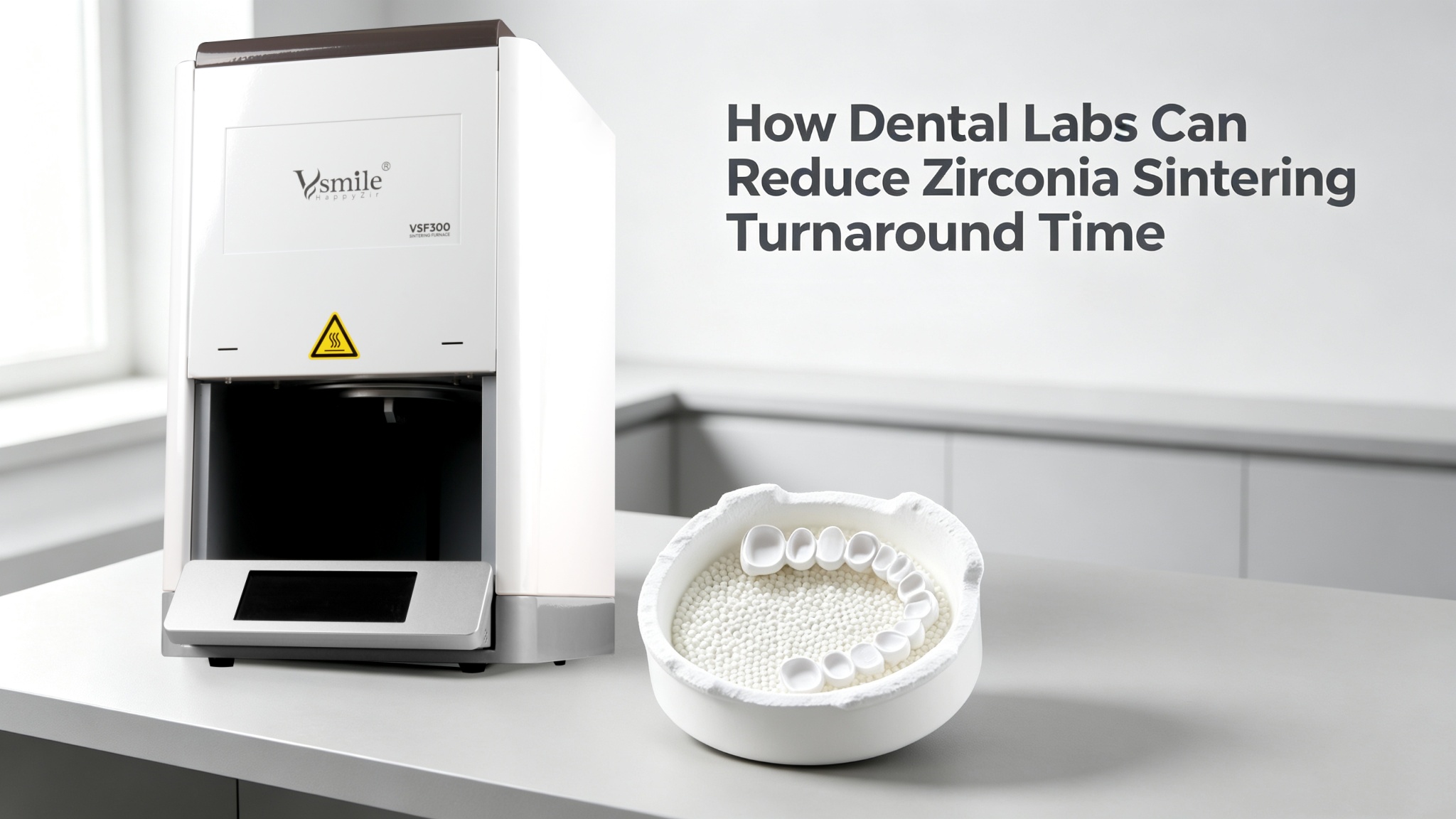
How Dental Labs Can Reduce Zirconia Sintering Turnaround Time
The operational issue. For many dental laboratories, long overnight cycles delay delivery. The best response is not to chase a single headline specification. It is to make the sintering stage predictable: use the right material instructions, control the approved program, and protect the handoff to finishing and quality control. That is especially important when a technician is balancing routine production with urgent crown, bridge, and implant cases.
Start with the production question
Ask a practical question first: where does the delay or variation actually begin? In a digital workflow, design and milling can move quickly while the furnace queue, cooling window, or rework loop quietly absorbs the day. For this reason, zirconia sintering time should be evaluated with real job data, not only a brochure comparison. Record the material, restoration type, tray load, program, cycle time, and final QC result for representative cases.
A controlled approach for technicians
A useful next step is to map the real queue from milling to cooling and reserve fast cycles for validated urgent indications. Make one controlled change at a time. That helps the team tell the difference between a material issue, a curve issue, a loading issue, and an equipment issue. It also prevents an urgent case from becoming an unplanned experiment. Where faster firing is being considered, protect the outcome first: the zirconia supplier’s validated instructions and the lab’s own test results should define what is appropriate.
What to evaluate before changing equipment
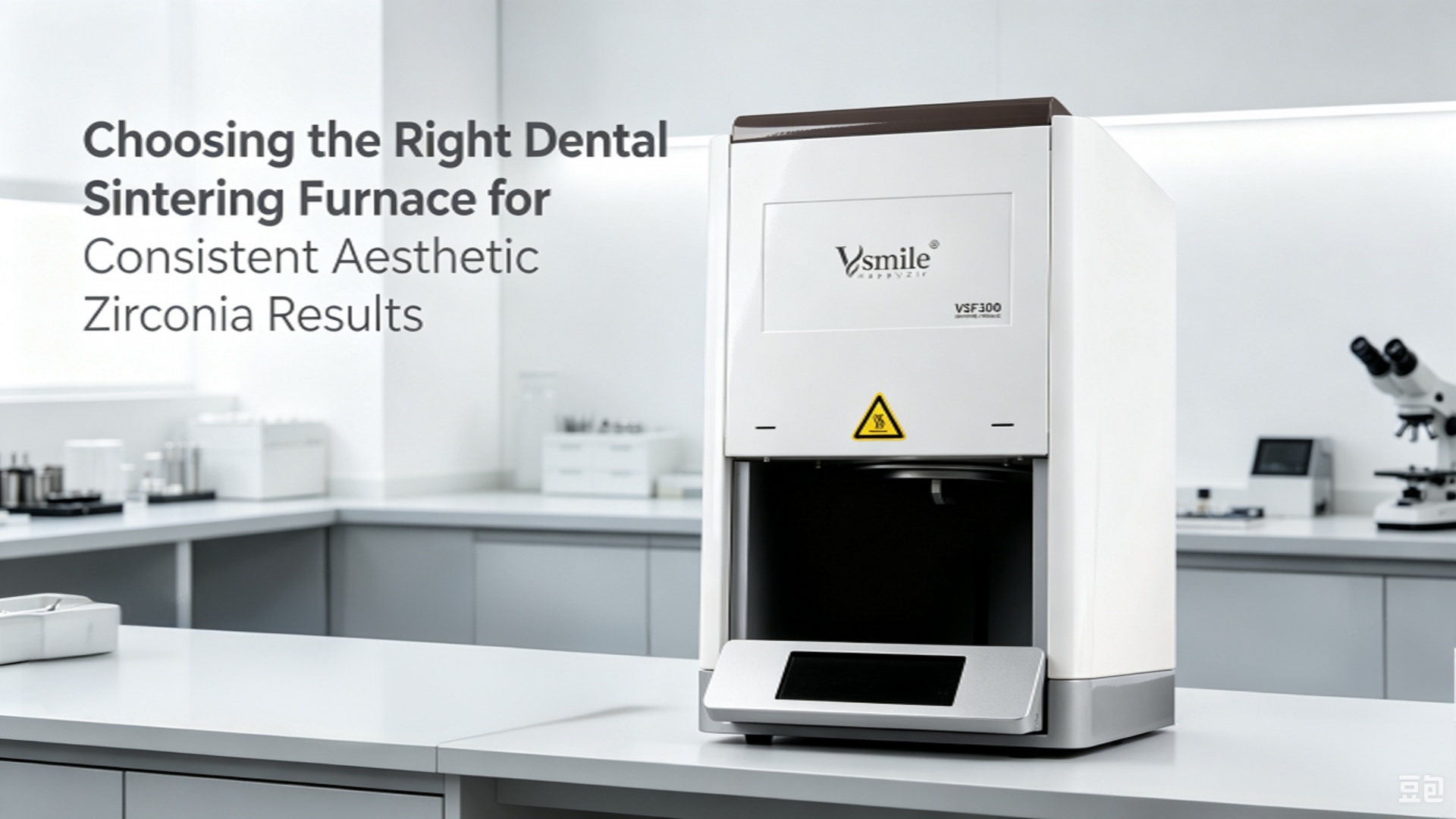
A sound furnace decision combines capacity, repeatability, program management, cooling, maintenance, and support. Vsmile lists the VSF300 WiFi version sintering furance with a 90 mm tray, up to 60 crowns per cycle, a maximum 200C/min heating rate, up to 1600C, +/-2C temperature control, high-purity SiC rods, and configurable programs. Those features are most useful when they are matched to the lab’s material portfolio and its validated operating procedures; they should not replace validation.
Practical next step
Create a one-page trial plan before changing a routine: choose the restoration type, define success criteria for fit and appearance, assign responsibility for loading and QC, and decide what result would justify rolling the change into production. This creates evidence the whole team can use.
VSF300 fast sintering furnace | Fast-sintering workflow solution | Digital dental solutions
Why Zirconia Crowns Lose Shade Consistency After Sintering
Choosing the Right Dental Sintering Furnace for Consistent Aesthetic Zirconia Results