Choosing the Right Dental Sintering Furnace for Consistent Aesthetic Zirconia Results
A Complete Buying Guide for Modern Dental Laboratories
In today's digital dental laboratory, producing beautiful zirconia restorations involves much more than selecting a premium zirconia block.
Many laboratories invest heavily in high-quality multilayer zirconia, advanced milling machines, and skilled technicians, yet still encounter inconsistent shades, unexpected translucency differences, or remakes caused by sintering issues.
One often-overlooked factor is the dental sintering furnace.
The furnace is not simply a heating device—it is the final stage that determines whether a carefully designed restoration achieves its intended strength, shade, translucency, and dimensional accuracy.
For laboratories planning to purchase or upgrade a zirconia sintering furnace, focusing only on heating speed or chamber capacity can lead to costly mistakes. Temperature stability, heating element quality, calibration accuracy, and workflow compatibility all have a direct impact on the final restoration.
This guide explains what dental laboratories should evaluate before investing in a zirconia sintering furnace and how the right equipment can improve both restoration quality and production efficiency.
Why Your Sintering Furnace Matters More Than You Think
Many technicians naturally associate restoration esthetics with zirconia quality.
While material selection is essential, the final appearance of zirconia is influenced by the entire manufacturing process.
The final result depends on the interaction between:
- Zirconia material
- Milling accuracy
- Sintering program
- Temperature uniformity
- Heating element stability
- Cooling control
- Furnace maintenance
- Staining and glazing procedures
Even when using the same zirconia disc, two laboratories may achieve noticeably different results if their sintering conditions differ.
For this reason, experienced laboratories increasingly view the furnace as a quality-control device rather than simply production equipment.
How the Sintering Process Influences Zirconia Esthetics
During sintering, zirconia particles densify under high temperatures, allowing the restoration to achieve its designed mechanical properties and optical characteristics.
A stable sintering process contributes to:
- Consistent shade reproduction
- Predictable translucency
- Controlled shrinkage
- Accurate marginal fit
- Reliable mechanical strength
- Reduced internal stress
Conversely, unstable temperature control or inconsistent furnace performance may affect the final restoration and increase the likelihood of remakes.
Six Key Factors When Choosing a Dental Sintering Furnace
1. Temperature Accuracy Is More Important Than Maximum Temperature
Many buyers compare furnaces by looking only at the maximum firing temperature.
However, for zirconia restorations, precise temperature control is often far more important.
A furnace should be capable of maintaining the programmed temperature consistently throughout the firing cycle.
Stable temperature control helps laboratories achieve:
- Uniform densification
- Predictable shrinkage
- Consistent translucency
- Reliable shade reproduction
Temperature fluctuations during critical stages may affect restoration consistency, particularly when multiple units are sintered together.
2. Temperature Uniformity Throughout the Chamber
Large restorations and full loads require every restoration inside the furnace to experience nearly identical thermal conditions.
Poor heat distribution may result in:
- Slight shade variations
- Uneven translucency
- Different shrinkage behavior
- Inconsistent fit between restorations
When evaluating a furnace, laboratories should consider not only chamber size but also the manufacturer's approach to heat distribution and thermal management.
3. Heating Element Design Influences Long-Term Stability
Heating elements are the heart of every sintering furnace.
Different heating technologies have different characteristics regarding heating efficiency, durability, and temperature stability.
For dental laboratories, important considerations include:
- Stable long-term performance
- Resistance to repeated thermal cycling
- Uniform heating characteristics
- Ease of maintenance
- Long service life
Rather than focusing solely on heating speed, laboratories should evaluate how consistently the furnace performs over years of daily production.
4. Fast Sintering Capability Should Match Your Materials
Fast sintering has become increasingly popular because it helps laboratories reduce turnaround time.
However, not every zirconia material is designed for high-speed sintering.
Before selecting a fast-sintering furnace, laboratories should confirm:
- Whether their zirconia manufacturer supports fast sintering
- Recommended heating rates
- Approved sintering programs
- Cooling requirements
Following validated protocols helps maintain restoration quality while improving production efficiency.
5. Capacity Should Match Production Volume
A larger chamber is not always better.
Laboratories should choose furnace capacity based on actual daily production.
Questions to consider include:
- How many crowns are produced each day?
- Are full-arch restorations common?
- Will production volume increase over the next few years?
- Is overnight sintering part of the workflow?
Selecting the right capacity helps improve furnace utilization and energy efficiency.
6. Software and Program Flexibility
Modern dental laboratories increasingly process different zirconia brands and restoration types.
A flexible furnace should allow technicians to store and manage multiple sintering programs for different materials and applications.
Useful features include:
- Custom program storage
- Multi-stage heating profiles
- User-friendly interface
- Remote monitoring (where available)
- Automatic diagnostics
These features help reduce operator error and improve workflow consistency.
Fast Sintering vs Conventional Sintering
Fast sintering is not simply about finishing restorations sooner.
The goal is to achieve comparable material performance while reducing production time for compatible zirconia systems.
| Feature | Conventional Sintering | Fast Sintering |
|---|---|---|
| Processing Time | Longer | Shorter |
| Productivity | Standard | Higher |
| Daily Output | Moderate | Higher |
| Workflow Flexibility | Standard | Improved |
| Suitable Materials | Most zirconia systems | Manufacturer-approved zirconia only |
The choice between conventional and fast sintering should always follow the zirconia manufacturer's recommendations.
How Furnace Performance Affects Laboratory Productivity
A modern sintering furnace contributes to more than restoration quality.
It also influences laboratory efficiency through:
Reduced Remakes
Stable processing improves consistency between batches, helping reduce unnecessary remakes.
Better Scheduling
Predictable firing cycles make production planning easier.
Higher Equipment Utilization
Efficient furnace operation allows laboratories to optimize workflow without unnecessary bottlenecks.
Improved Customer Satisfaction
Consistent restoration quality supports reliable delivery schedules and stronger relationships with dentists.
Common Mistakes When Buying a Dental Furnace
Buying Based Only on Price
Lower initial cost may not provide the best long-term value if maintenance, energy consumption, or production consistency becomes an issue.
Comparing Only Heating Speed
Fast heating alone does not guarantee high-quality restorations.
Temperature stability throughout the entire sintering cycle is equally important.
Ignoring Future Production Needs
Many laboratories expand within a few years.
Choosing equipment that supports future growth may reduce replacement costs later.
Using Generic Programs for Every Zirconia Brand
Different zirconia materials may require different sintering schedules.
Following manufacturer-recommended programs helps achieve optimal performance.
Dental Laboratory Buying Checklist
Before purchasing a zirconia sintering furnace, ask the following questions:
✅ Is the furnace designed specifically for dental zirconia?
✅ How accurate is its temperature control?
✅ How uniform is the heating throughout the chamber?
✅ Is it compatible with the zirconia materials you use?
✅ Does it support both conventional and fast sintering where appropriate?
✅ Can multiple sintering programs be stored?
✅ Is technical support available?
✅ What maintenance is required?
✅ Can it support future laboratory expansion?
Frequently Asked Questions
Does a more expensive furnace always produce better esthetics?
Not necessarily. Proper furnace calibration, validated sintering programs, and compatible zirconia materials are all essential for predictable esthetic results.
Can furnace temperature affect zirconia shade?
Yes. Temperature consistency and adherence to recommended sintering protocols can influence the optical properties of zirconia.
Is fast sintering suitable for every zirconia material?
No. Laboratories should follow the zirconia manufacturer's recommendations and only use approved fast-sintering protocols.
How often should a dental furnace be calibrated?
Calibration intervals vary by manufacturer and usage frequency. Regular inspection and maintenance help maintain consistent performance.
Does chamber size influence restoration quality?
Chamber size itself does not determine quality, but uniform temperature distribution throughout the chamber is important for consistent results.
Can one furnace process different zirconia brands?
Many modern furnaces support multiple programs, allowing laboratories to process different compatible zirconia systems according to manufacturer recommendations.
What should laboratories prioritize when choosing a furnace?
Rather than focusing on a single specification, laboratories should evaluate temperature accuracy, heating uniformity, workflow compatibility, maintenance requirements, software flexibility, and long-term reliability.
Why Modern Digital Dental Labs Are Upgrading Their Sintering Workflow
As digital dentistry continues to evolve, laboratories are expected to deliver restorations faster while maintaining exceptional consistency.
Today's competitive laboratories require equipment that supports:
- Reliable zirconia processing
- Predictable esthetic outcomes
- Flexible production planning
- Digital workflow integration
- Long-term operational efficiency
A well-designed sintering furnace is an important part of achieving these goals.
Why Choose Vsmile for Your Digital Sintering Workflow
At Vsmile, we understand that a sintering furnace is more than a heating device—it's a critical part of your laboratory's digital workflow.
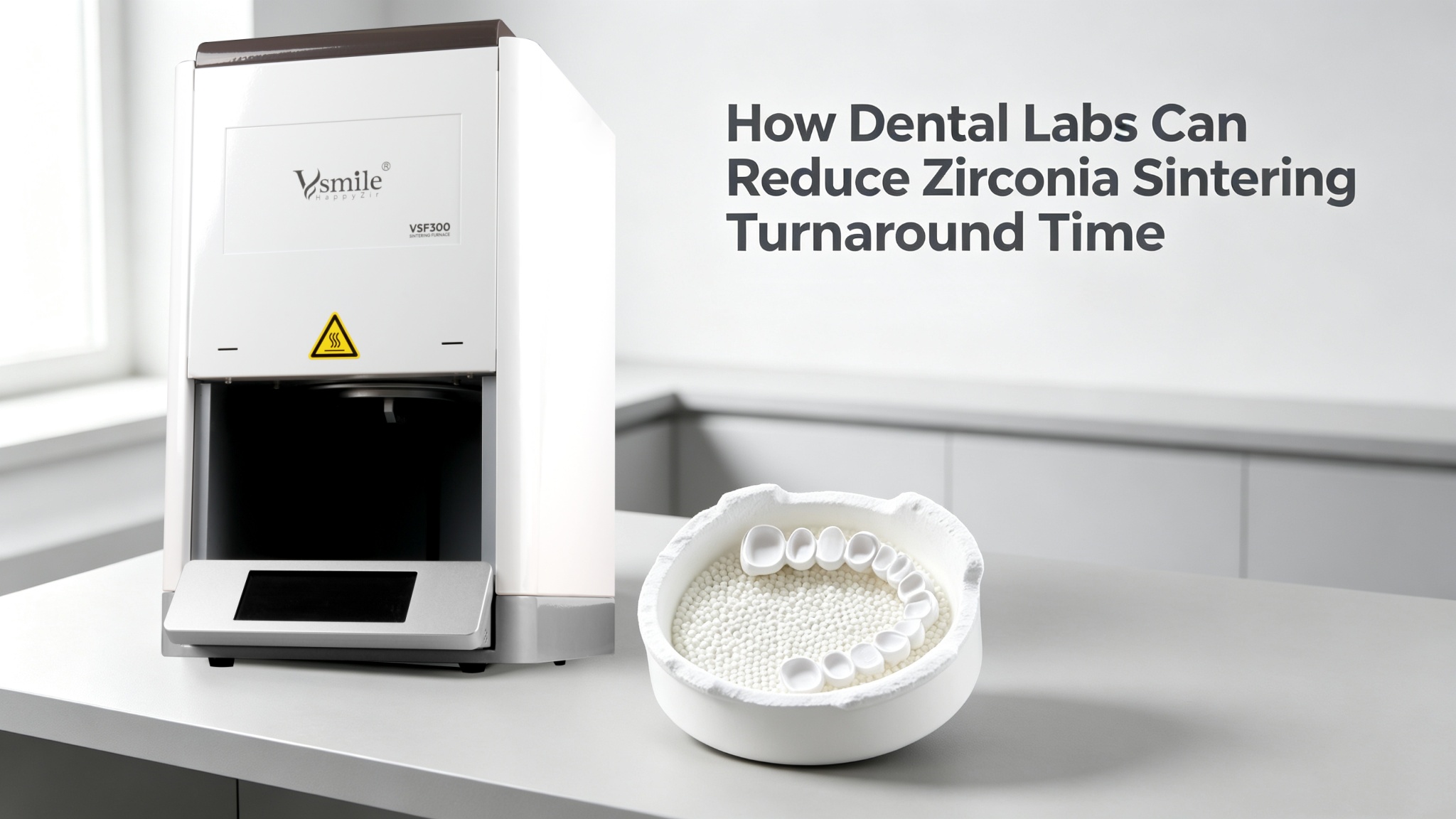
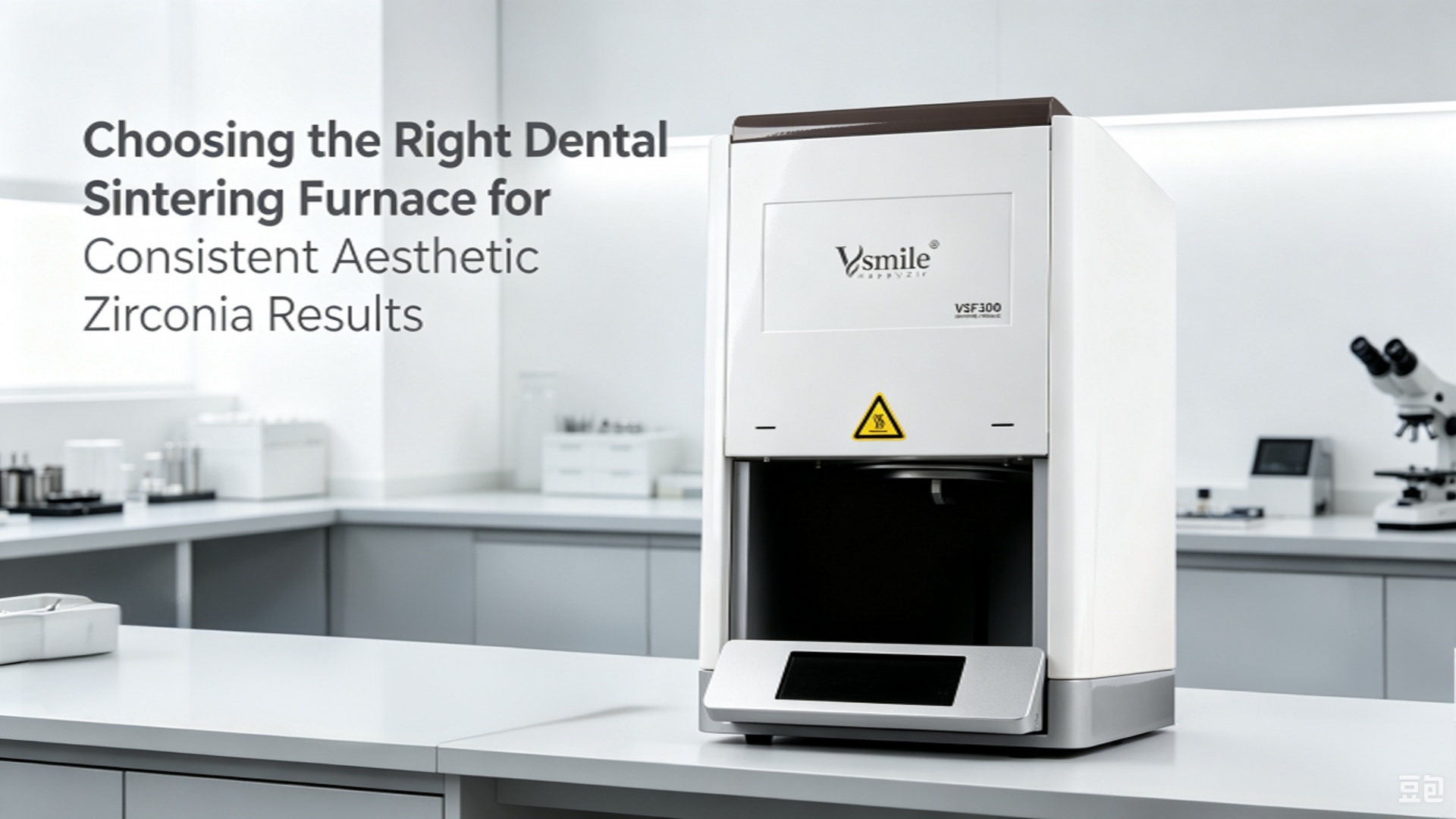
Our VSF300 Dental Zirconia Sintering Furnace is engineered to help laboratories achieve consistent zirconia processing while improving production efficiency.
Key features include:
- High-precision temperature control for consistent firing
- High-purity SiC heating elements designed for stable heating performance
- High-speed sintering capability for compatible zirconia materials
- Multiple programmable sintering profiles
- Large capacity for daily laboratory production
- Smart operation with remote monitoring support
- Designed to integrate seamlessly into modern CAD/CAM workflows
Whether you produce single crowns, bridges, implant restorations, or full-arch zirconia cases, choosing the right sintering workflow can help improve consistency, reduce remakes, and increase laboratory productivity.
Final Thoughts
A zirconia restoration is only as predictable as the workflow behind it.
While premium zirconia materials and precise milling are essential, the sintering furnace is the final step that transforms a milled restoration into a clinically successful one.
For dental laboratories, selecting a furnace should never be based solely on speed or price. Instead, consider temperature accuracy, heating stability, workflow flexibility, long-term reliability, and compatibility with your zirconia materials.
Investing in the right sintering furnace is not simply an equipment upgrade—it is an investment in restoration quality, laboratory efficiency, and long-term business growth.
How Dental Labs Can Reduce Zirconia Sintering Turnaround Time
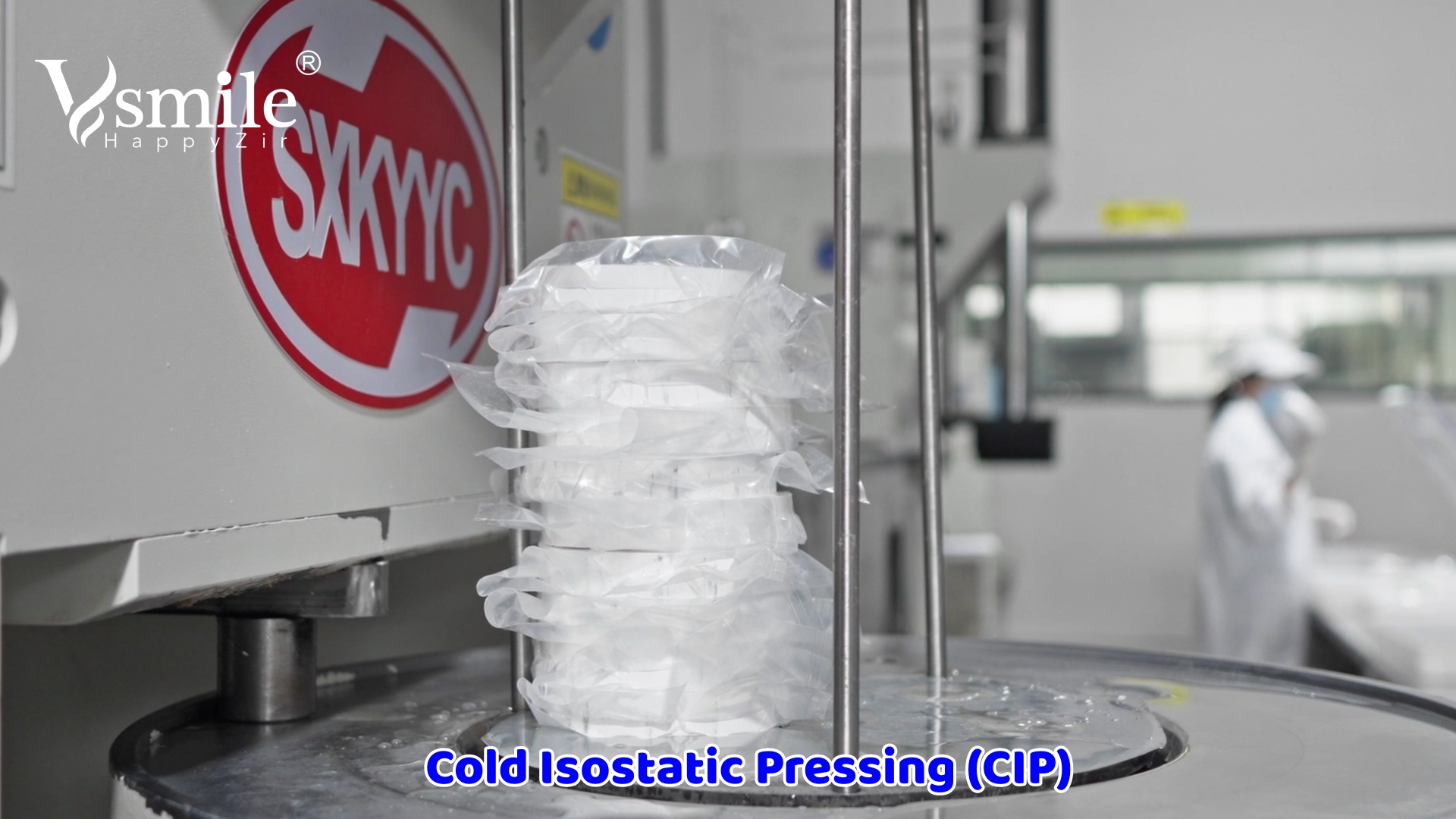
Cold Isostatic Pressing vs Binder-Based Zirconia: What Really Determines Block Quality in CAD/CAM Manufacturing