Understanding Silicon Carbide Heating Rods in Dental Sintering Furnaces
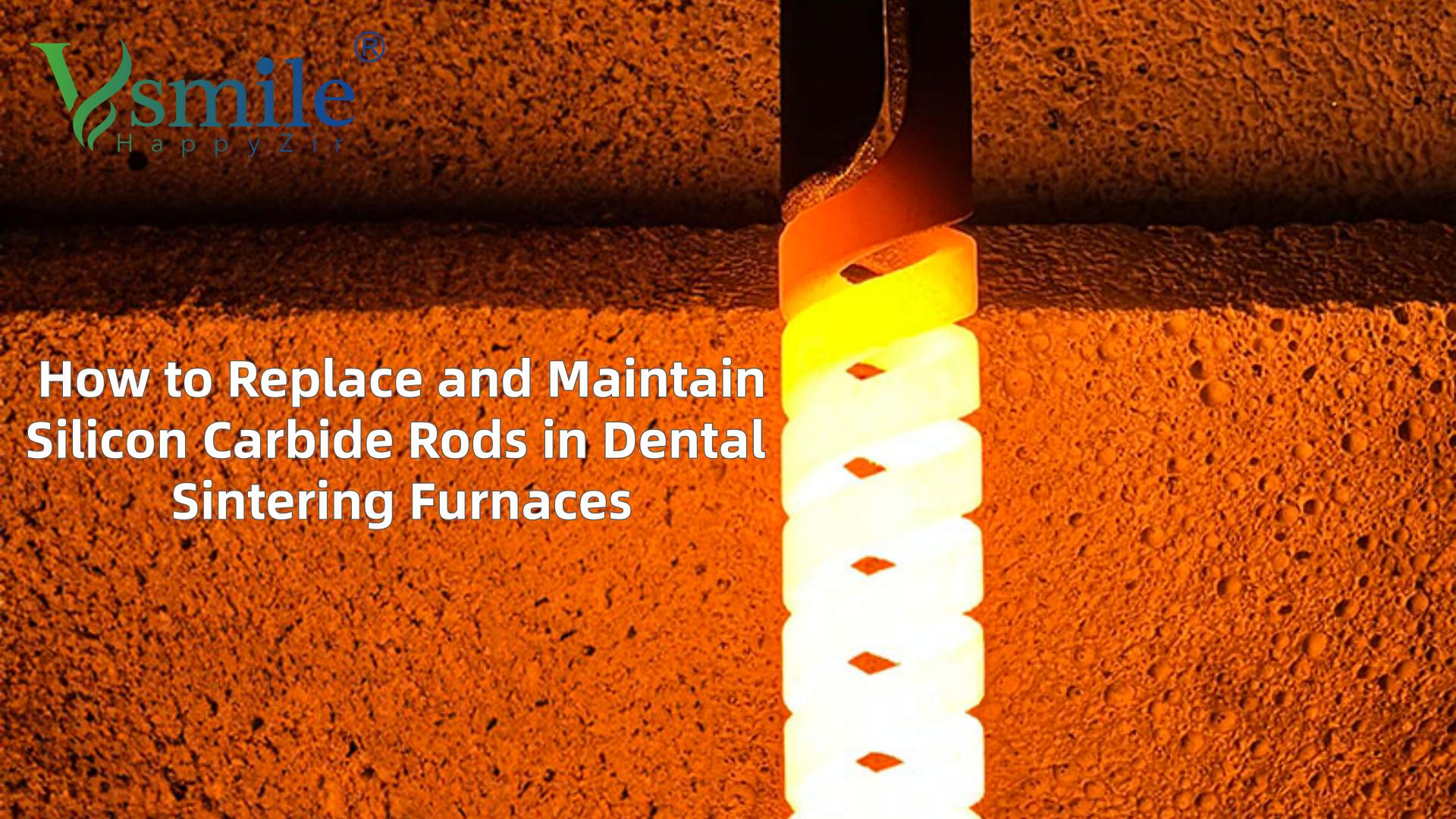
Silicon carbide (SiC) rods are among the most vital components in a dental zirconia sintering furnace. They are responsible for generating the high temperatures required to sinter zirconia restorations with precision and consistency.
1. Why Choose Silicon Carbide Rods?
Compared to molybdenum disilicide (MoSi₂) rods, silicon carbide rods operate at slightly lower temperatures — typically up to 1500°C — but they offer greater mechanical strength and durability.
They are less prone to breaking and can withstand long-term thermal cycling, making them ideal for dental laboratories that require stable, everyday furnace performance.
2. Recognizing the End of Service Life
Over time, SiC rods may undergo visible changes:
-
Increased resistance: If the rods’ resistance rises significantly, the furnace may heat more slowly or require higher voltage to maintain set temperatures.
-
Color or brightness change: When the rods appear darker, or their glow becomes dim, their efficiency is decreasing.
Even if surface color changes occur, as long as the rods are not cracked or broken, they can still be used safely.
3. Specifications You Need Before Ordering
Before ordering new SiC rods, make sure to confirm:
-
Size and type: Provide the rod’s dimensions or a photo for reference. Your supplier can determine whether it’s a single-spiral or double-spiral type.
-
Electric current (amps): The current rating can be found on the furnace nameplate or rod head.
-
Head connection type: Vsmile’s standard SiC rods use braided wire connections, but other types are available.
4. Important Installation Tips
Each furnace typically uses 4–5 SiC rods, which should be replaced together as a complete set.
Never mix old and new rods or rods from different brands, as this can lead to uneven heating or electrical imbalance.
✅ Always ensure that all rods share the same current rating and correct wiring configuration.
5. Surface Bubbles During Initial Use
It’s normal for new rods to develop small bubbles or crystal-like spots during the first few heating cycles. This phenomenon, caused by quartz crystal precipitation, disappears after several uses as the rods stabilize.
Final Thoughts
Proper maintenance and timely replacement of SiC rods are key to keeping your dental sintering furnace efficient and safe.
Vsmile offers high-quality silicon carbide rods compatible with most zirconia sintering furnaces, along with professional guidance on size, current, and installation.
Unpacking the Biocompatibility & Modulus of CAD/CAM PMMA
Choosing the Right Materials for Your Dental Lab: A Guide for Technicians
Related Article